

Connected Cars: The Role of Wireless Technologies in the Automotive Industry
Connected cars use wireless technologies to communicate with the outside world, including the internet, other vehicles, and even road infrastructure like traffic lights. This connectivity is making driving safer, more efficient, and more enjoyable, and wireless technologies are the backbone of these features and of manufacturing. The key to making the most of wireless technologies and connected vehicles is making sure all these connections are fast, reliable, and secure.
Wireless Technologies and Connected Vehicles
Types of Wireless Tech
One of the main systems used by the modern connected vehicle is Vehicle-to-Everything (V2X) communication. V2X lets cars talk to other vehicles (V2V), road infrastructure (V2I), pedestrians (V2P), and even the cloud (V2C). One of the great benefits of V2V for drivers is that it can alert them to problems early so issues can be avoided. For example, V2V can tell a driver that there’s a stopped car ahead so they can take a different route. V2I might let a driver know when a traffic light will change and allow the driver to avoid an unnecessary stop.
Another important technology in the wireless world is 5G, which is the latest generation of mobile networks. 5G is super fast and can handle huge amounts of data with almost no delay. The speed and reliability of 5G is required for connected cars because they have to be able to process information instantly, as when a self-driving car needs to decide whether to stop for a pedestrian. As 5G networks expand, it’s getting easier to actually envision a world where connected cars can operate smoothly.
Finally, Wi-Fi and Bluetooth are “older” tech but vitally important backbones in the system. Wi-Fi capabilities connect cars to the internet, while Bluetooth links the driver’s phone to the car’s system for hands-free calls or navigation. Together, all these wireless technologies create a web of connections that keeps cars in sync with their surroundings.
Why Wireless Technologies Matter
Wireless technologies are not about making connected cars just large, fancy gadgets. These technologies improve safety by warning drivers about dangers. They save time and fuel by optimizing routes based on traffic data. Plus, they are paving the way for self-driving cars, which rely even more heavily on wireless communication to navigate. The ultimate goal is smarter, safer roads.
A Few Challenges
While wireless technologies offer huge benefits, there are some big challenges that the world is still working on. One of these is ensuring reliable connections. Where signals are weak or if the network is congested, important features like navigation or V2X communication can get disrupted. Expanding network coverage, especially in Saudi Arabia’s remote regions, will be critical to solving this challenge.
Another challenge is cybersecurity. Connected cars send and receive sensitive data, like location or driver behavior, and hackers love this type of information. These cars are already targets, and a cyberattack could be designed to do anything from disable safety features to deliberately crash the car or steal personal information. Protecting these cars means you need strong encryption and authentication systems to ensure only trusted devices communicate with the car’s network.
Finally, integrating different wireless technologies can be tricky. Cars today can use 5G, Wi-Fi, Bluetooth, and V2X, yes, but these systems must work together well: if they don’t, key features or safety alerts might fail at the worst possible moment.
Wireless Tech in Manufacturing
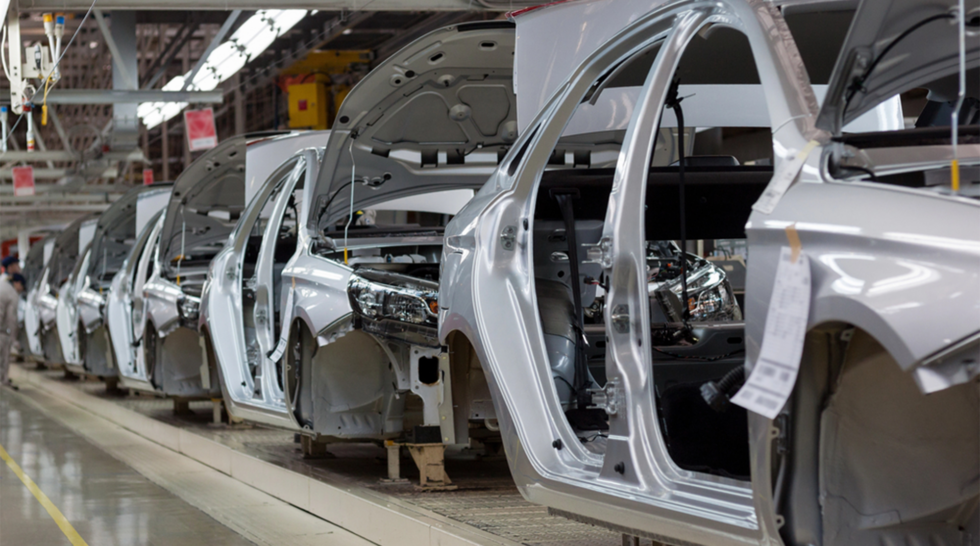
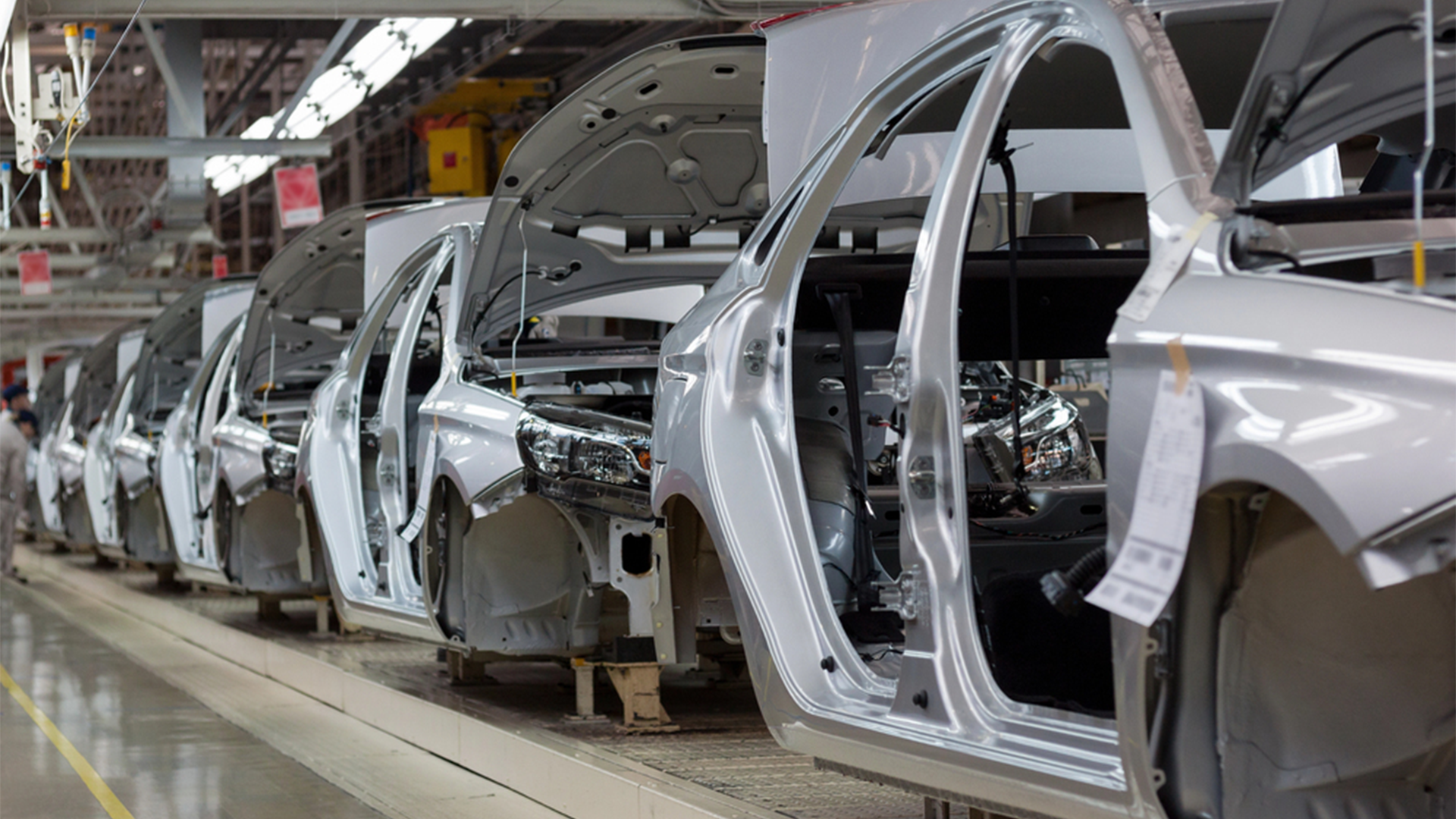
Wireless technologies aren’t just important once a car gets on the road; they also transform how these cars are built. In manufacturing, wireless systems help factories produce vehicles that are safer, smarter, and more reliable.
Connecting Workers
Connected worker systems allow workers to use wearable devices, like smart glasses or wristbands, to communicate wirelessly with machines and the central systems. This also gives workers access to instant, useful data, like assembly instructions or quality alerts, without any need for them to stop everything and check a computer. The goal here is to improve efficiency while retaining confidence that every car coming off the line is perfect.
Predictive Maintenance
Wireless technologies can also power predictive maintenance. Sensors on factory equipment that are all linked through Industrial Internet of Things (IIoT) networks can monitor machines for signs of wear. Using 5G or Wi-Fi, these sensors send data to AI systems and can accurately predict when a machine is likely to fail. This lets factories fix issues before they cause delays; but it also allows for maintenance to happen only when it’s needed. Scheduled maintenance could mean wasted downtime and expense when there are actually no issues to be concerned about. The whole point is to keep production on track while also reducing costs as much as possible.
Data Acquisition
Data acquisition systems are another wireless innovation, and they are critical for testing connected parts. Sensors collect data on everything from battery performance to V2X signal strength and send it all wirelessly to control systems. This data helps engineers spot defects early and get these fixed before a car leaves the factory. In a competitive automotive sector, this level of precision means a manufacturer can offer cars that are reliable and ready more quickly than the competition.
Automated Test Equipment
Wireless systems can also connect testing machines that check a car’s connectivity features, such as its 5G or V2X performance, at every stage of production. These systems analyze data constantly and instantly and catch flaws before the vehicle goes out to customers.
Wireless technologies are changing how we drive but also how we manufacture our smart cars. Contact us at SAAB RDS today to learn more how our services can deliver the solutions you need to take your manufacturing to the next level.
