

AI and Data Analytics: Optimizing Performance in Electric Vehicles
Artificial intelligence is making a big difference to the performance of next-generation electric vehicles. These performance improvements can be seen across the board through AI and Data Analytics in EV Manufacturing. In battery management systems, for instance, AI algorithms can now analyze inputs from sensors monitoring temperature, voltage, and charge cycles to predict optimal power distribution and maximize range while minimizing wear, allowing manufacturers to quickly update and implement new designs to get the most out of every battery. Adaptability like this reduces energy waste and can extend battery life. And that’s just the tip of the iceberg.
AI and Data Analytics in Automotive Manufacturing: Optimizing Performance in Electric Vehicles
Analytics provides the empirical foundation by processing historical and real-time data. AI then acts as the dynamic executor and uses these insights to make adjustments on the fly, as needed.
Assembly Lines
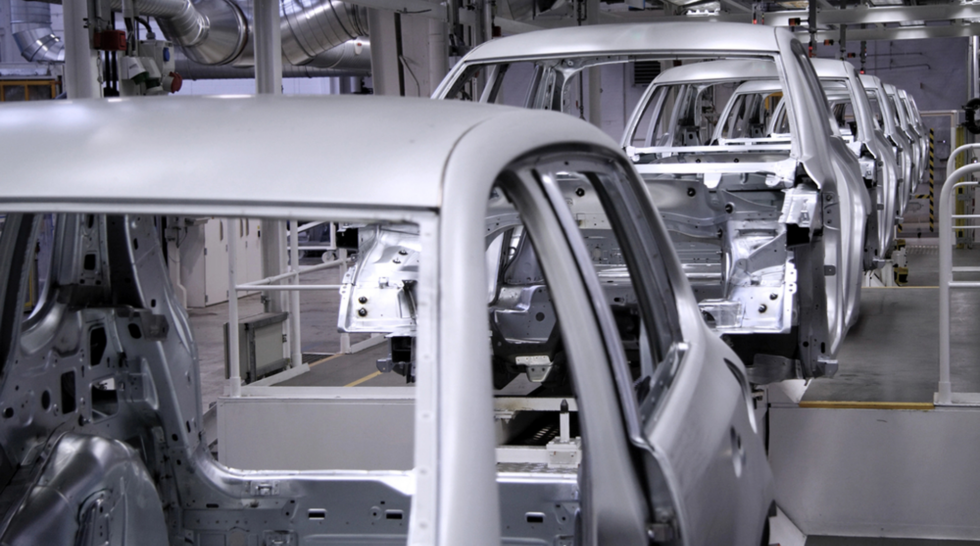
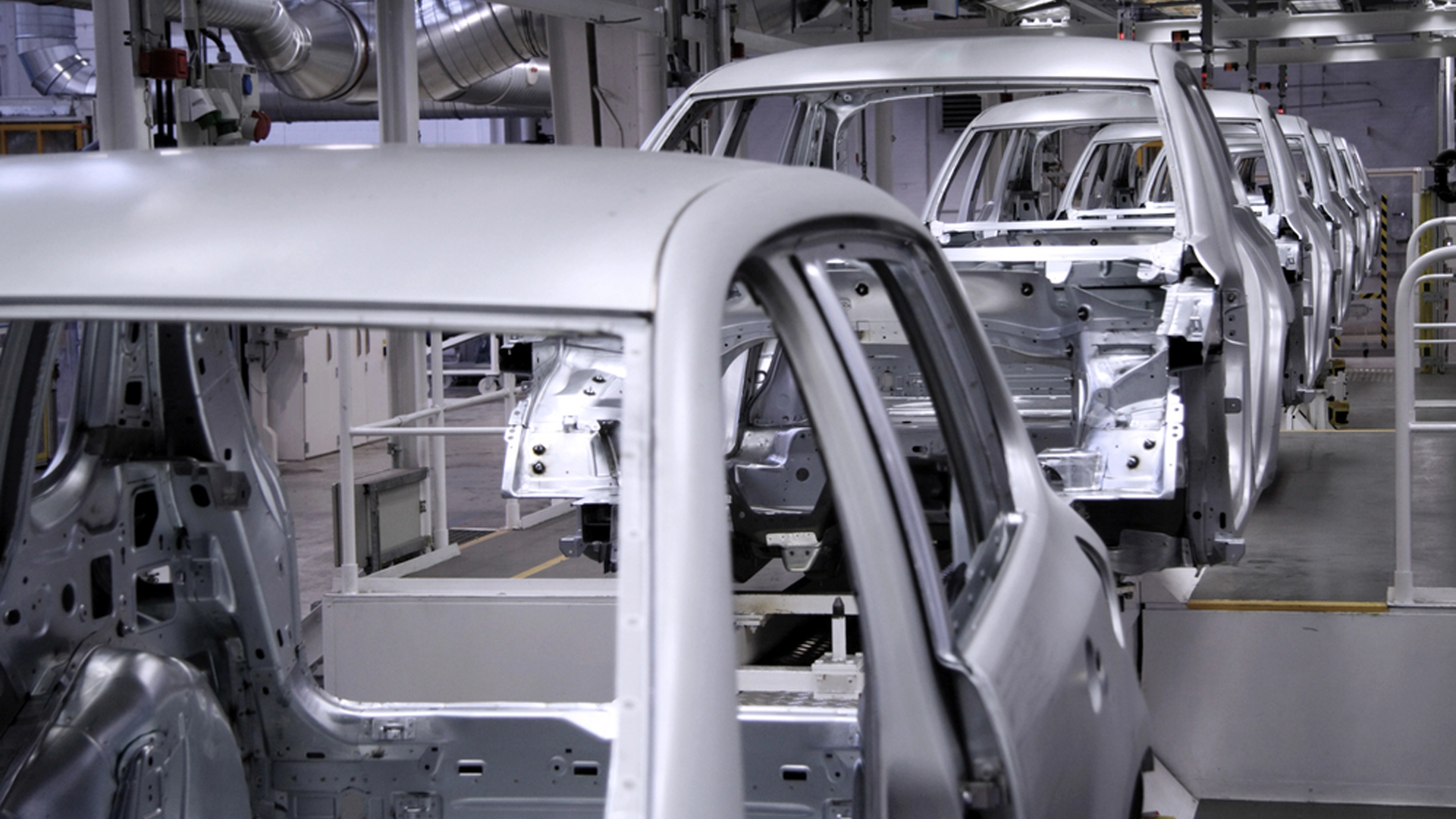
Assembly lines are where all the parts come together, and artificial intelligence helps by watching the process closely and spotting problems early. For example, AI uses cameras and sensors to check if a battery or motor is put in correctly. If something looks wrong, like a loose wire, the system alerts workers right away. This reduces mistakes and makes the cars safer.
AI also plans the order of tasks to speed things up. It looks at past data to figure out the fastest way to build without wasting time. In one approach, machine learning learns from thousands of builds to predict when there might be a delay. Then the delay can be either avoided entirely or at least planned for. This means factories can make more vehicles each day while keeping quality high. The result is vehicles that drive smoothly and reliably from the start.
Better Battery Production
Batteries are the heart of electric vehicles, and data analytics makes sure they work at their best. During the manufacturing stage, data from tests shows how well a battery holds a charge or handles heat. Analytics tools then examine this information to find patterns, like why some batteries lose power faster. By using simple math models, such as averages and trends, you can then adjust materials or processes to improve them.
For instance, if the data reveals that certain chemicals are causing quicker wear than others, you can test multiple configurations and then switch to better ones. Analytics also help in testing large batches quickly, so you can be sure every battery meets safety standards before installation.
Quality Control
Quality control is key in electric vehicle manufacturing, and here, AI steps in by analyzing images of parts like wheels or electronics and then comparing them to perfect examples stored in its memory. If a part has a tiny crack, AI flags it instantly, even if a person might miss it. This uses something called computer vision, where the system “sees” like a human, but much faster and more accurately.
Data from these checks builds a big picture of what causes the defect, so you can resolve root problems instead of forever chasing errors after they appear. For example, if vibrations in machines are leading to these flaws, AI will notice and suggest adjustments to steady them. This not only saves money but also ensures the final vehicle performs well under tough conditions.
Predictive Maintenance of Manufacturing Equipment
Electric vehicle factories rely on complex machines, like robotic welders or presses, and AI and data analytics can work together to predict when equipment might fail. Analytics examines data from sensors on machines, tracking things like vibration or temperature, and then if a motor shows unusual wear, AI predicts when it might break down using patterns from past data.
This allows you to schedule repairs when they’re least inconvenient and before a failure actually halts all production. This statistical forecasting approach saves money and means your vehicles are built on schedule. It also means the final product is made with greater precision.
Supply Chain Logistics
Analytics can help enormously in managing the flow of materials within an EV factory. Data tools track how quickly parts like batteries or circuit boards move through production stages, and by analyzing this, AI can spot and flag up bottlenecks, such as delays in delivering motors to the assembly line.
Analytics uses simple calculations, like average wait times, to suggest better ways to organize workflows, as well. For instance, if the data shows that battery packs are sitting too long before installation, you can adjust delivery schedules to keep those parts moving so production stays on track and you speed up getting finished vehicles out the door. The result is electric vehicles that reach customers faster.
Worker Efficiency
Even the smartest of smart factories making electric vehicles still relies upon skilled human workers who operate alongside the machines. AI tools assist your people by providing them with the real-time guidance they need to make fast, smart choices in the moment. For example, augmented reality glasses powered by AI can show workers exactly where to place a component, like a wiring harness, using data from past assemblies.
Analytics can also track worker performance, not to judge but to suggest better ways to organize tasks or to flag up when someone needs a break. If data shows a worker takes longer on a specific step, AI might recommend a simpler tool or technique. The ultimate outcome is happier people and faster, more accurate assembly.
To learn more about how AI and analytics can transform your automotive manufacturing facility, talk to us at SAAB RDS. We’re your digital transformation experts and can help you design and deliver the right systems for your needs.
