

The Future of Smart Factories: How IoT Is Transforming Worker Connectivity
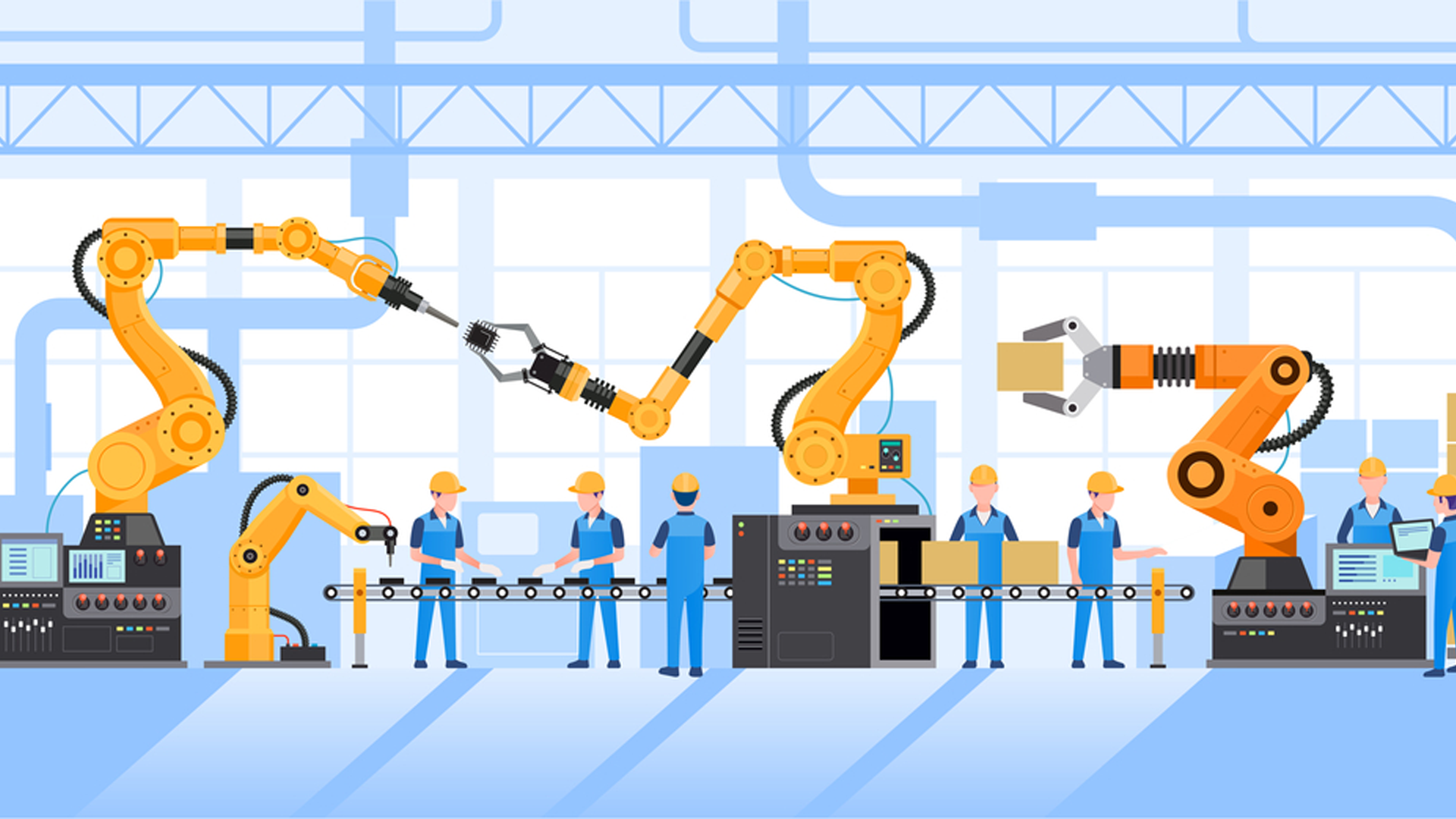
IoT in smart factories is transforming how workers connect with machines, systems, and each other on the factory floor. By enabling real-time data flow through connected devices and sensors, IoT improves safety, collaboration, and operational efficiency across modern manufacturing environments.
How Industrial IoT for Workers Is Transforming Connectivity
Real-Time Communication for Enhanced Safety
You know the risks inherent in manufacturing environments, but IoT transforms worker connectivity by enabling instant communication through wearable devices and integrated systems. Imagine if a team gets equipped with smart helmets or wristbands that could alert them to potential hazards instantly: these devices connect directly to your factory’s IoT network and can share data that triggers immediate responses. This level of connectivity reduces accidents, keeps them better contained when they do happen, and gets everyone thinking proactively about safety.
Streamlining Collaboration
A factory thrives on teamwork, but silos between departments destroy efficiency. IoT breaks down these barriers by creating a unified platform where data gets shared and workers on the floor can access real-time insights from IoT sensors to coordinate with maintenance teams or supervisors. This level of connectivity can turn your factory into a cohesive unit where information flows freely, decisions are made faster, and your teams work in harmony to achieve common goals.
Boosting Productivity
Through connected devices, employees gain visibility into processes, from inventory levels to machine performance, which makes it possible for them to make good decisions on the spot. There’s no worry that they don’t have the full picture or that the information isn’t up-to-date. This shift from reactive to proactive workflow means you can address bottlenecks immediately, and IoT’s ability to integrate with advanced analytics further enhances this by offering predictive insights so you can allocate resources more effectively. The result is a more agile, productive factory.
Personalizing the Worker Experience
Every worker brings unique skills, and IoT personalizes connectivity to maximize everyone’s potential. Wearable tech can track both individual performance and fatigue, making it simple to suggest taking breaks or doing a task rotation to prevent burnout while not losing any time unnecessarily. IoT offers a way to support your team’s well-being while maintaining high output.
Adapting to Changing Demands
Market demands fluctuate, and new challenges emerge constantly. IoT equips your smart factory to adapt fast. Connected devices all monitor production variables, and this can allow a team to respond instantly to changes like a supply chain disruption or sudden order spike. This agility ensures you stay competitive because you now have the power and insight to turn potential setbacks into opportunities for optimization and growth in an unpredictable environment.
Integrating with Advanced Technologies
You’re likely integrating cutting-edge technologies like AI and machine learning into your operations, and IoT can be a bridge for seamless connectivity among all the tech. Once you link IoT devices with these tools, you create an ecosystem where data from the factory floor feeds into intelligent systems that predict and automate responses. Workers benefit from the recommendations delivered through their connected interfaces, such as offering up ways to optimize assembly sequences or troubleshoot issues.
Overcoming Connectivity Challenges
It’s natural to worry about the hurdles in implementing IoT, like data security or integration complexities, but be aware that advancements in IoT protocols are addressing these concerns head-on. Strong encryption protocols are constantly being developed and implemented, and compatibility with existing systems is a priority in IoT development. With the right system, your workers can connect confidently and know that sensitive data is being protected against breaches.
Measuring Success
You need tangible ways to gauge the impact of IoT on your worker connectivity, and today’s smart factories can leverage IoT to track key performance indicators. By analyzing data from connected devices, you can quantify the gains you’re making in productivity, get a sense for how many safety incidents have been avoided, and actually put a number to overall operational efficiency. With this kind of clear evidence of ROI, you’ll be able to justify further investments in IoT, and as you review these insights, you’ll see how enhanced connectivity translates into measurable business advantage.
Enhancing Worker Skills and Training
IoT offers a way to greatly improve training. Connected devices deliver immersive, on-the-job learning experiences, where workers can receive instant guidance through augmented reality glasses or tablets linked to the IoT network. This allows you to simulate scenarios without having to halt production, so your team can master new skills efficiently. By tracking progress via IoT data, you can customize your training modules to address specific gaps that affect your workers and make sure everyone is up-to-date.
Securing the Connected Factory
Increased connectivity brings cybersecurity risks, yes, but IoT in smart factories not only includes built-in safeguards to protect your operations; it also works proactively. Advanced IoT systems incorporate encryption and anomaly detection to shield data flows between workers and machines, and they can work instantly. If an unauthorized access attempt occurs, not only does the network notice, but it can isolate the threat instantly while also alerting your team without disrupting any other workflows.
To realize the full potential of IoT in transforming your factory, you need a trusted partner. With our help, digital solutions can enhance your workplace safety, efficiency, and communication. Contact SAAB RDS now to learn more.
