

From traditional Plants to Smart Factories
Manufacturing Series - Part 3
What makes a factory “Smart”?
Saudi manufacturing is moving beyond incremental automation toward a fundamentally different operating model: the smart factory. This transition is not about deploying isolated technologies, but about redesigning how factories plan, execute, monitor, and continuously improve their operations using data, connectivity, and intelligence.
For factory managers, the shift represents a move from experience-driven decision-making to system-driven operational excellence, where performance is measured in real time and optimized continuously.
What Defines a Smart Factory in the Saudi Context
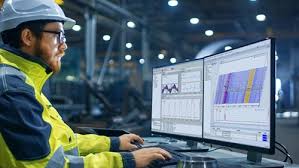
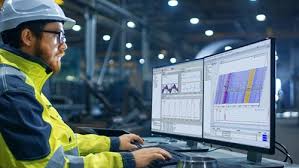
A smart factory is characterized by its ability to connect people, machines, and processes into a single, intelligent operational ecosystem. Equipment is instrumented with sensors, production systems are digitally integrated, and operational data flows seamlessly across maintenance, quality, energy, and supply chain functions.
Unlike traditional plants that rely heavily on manual interventions and periodic reporting, smart factories operate with real-time visibility and predictive capabilities. They enable managers to identify inefficiencies early, respond to deviations immediately, and align production outcomes with business KPIs such as overall equipment effectiveness (OEE), cost per unit, and delivery performance.
The Role of the Future Factories Program
The Kingdom’s push toward smart manufacturing is being accelerated by national initiatives such as the Future Factories Program, launched under the National Industrial Strategy. The program aims to upgrade thousands of factories from conventional operations to digitally enabled, globally benchmarked manufacturing facilities.
For factory leaders, the Future Factories Program provides a clear operational framework: adopt advanced manufacturing technologies, improve digital maturity, and embed continuous improvement into daily operations. The focus is not only on technology adoption, but on measurable gains in productivity, quality, energy efficiency, and resilience.
Moving Beyond Automation to Integrated Operations
Many factories already use automation in isolated areas such as production lines, testing stations, or packaging. However, smart factories differentiate themselves through integration. Production systems, maintenance platforms, quality management tools, and energy monitoring solutions operate as connected components rather than standalone systems.
This integration enables cross-functional optimization. Maintenance decisions are informed by real-time production data, quality issues are traced directly to process conditions, and energy usage is optimized in alignment with production schedules. For managers, this results in fewer surprises, faster root-cause analysis, and more predictable outcomes.
Digital Maturity: A Journey, Not a One-Time Upgrade
Becoming a smart factory is not a binary state. Saudi factories are progressing along different levels of digital maturity, from basic digitization to advanced, AI-enabled operations. Early stages focus on data collection and visibility, while more advanced stages introduce predictive analytics, autonomous decision support, and closed-loop optimization.
Successful factory managers approach this journey pragmatically, starting with high-impact use cases, demonstrating ROI, and scaling proven solutions across the plant. This staged approach reduces risk while ensuring that technology investments translate into tangible operational improvements.
The shift from traditional plants to smart factories directly impacts a manager’s ability to control costs, meet production targets, and ensure operational stability. Smart factories are better equipped to handle demand variability, workforce constraints, and equipment reliability challenges.
As Saudi Arabia continues to position manufacturing as a global competitive sector under Saudi Vision 2030, factory leaders who embrace this transformation will be better prepared to deliver consistent performance, comply with evolving standards, and sustain long-term growth in an increasingly digital industrial landscape.
Operational Pain Points Factory Managers Are Solving with Technology
Despite differences in size, sector, and maturity, factories across Saudi Arabia share a common set of operational challenges that directly affect productivity, cost, and competitiveness. What has changed in recent years is not the nature of these pain points, but the availability of technologies capable of addressing them systematically and at scale.
For factory managers, digital transformation efforts increasingly start with solving concrete operational problems rather than deploying technology for its own sake.
Unplanned Downtime and Equipment Reliability
Unplanned downtime remains one of the most costly issues in manufacturing operations. Equipment failures disrupt production schedules, increase overtime and maintenance costs, and undermine delivery commitments. In many plants, maintenance strategies are still largely reactive or calendar-based, leading to unnecessary interventions on healthy assets and late responses to emerging failures.
Technology-enabled condition monitoring and predictive maintenance are allowing managers to detect early warning signs, prioritize interventions, and plan maintenance activities around production needs. This shift directly improves asset availability, extends equipment life, and stabilizes output.
Limited Real-Time Visibility into Production Performance
Many factories struggle with fragmented or delayed production data. Performance indicators such as OEE, throughput, and scrap rates are often reported after the fact, limiting their usefulness for operational decision-making.
By connecting machines, production lines, and operational systems, factories gain real-time visibility into performance deviations as they occur. This enables supervisors and managers to intervene immediately, correct process drift, and prevent small issues from escalating into major disruptions.
Quality Variability, Rework, and Compliance Risks
Quality issues remain a significant source of cost and risk, particularly in industries with strict regulatory or customer requirements. Manual inspections, disconnected quality systems, and limited traceability make it difficult to identify root causes or prove compliance consistently.
Automated inspection, digital quality management, and data-driven traceability are helping factories reduce variability, move closer to zero-defect manufacturing, and demonstrate compliance with confidence. For managers, this translates into lower rework rates, fewer customer complaints, and stronger audit readiness.
Energy Inefficiency and Rising Sustainability Expectations
Energy consumption is increasingly a strategic operational concern, not only due to cost pressures but also because of sustainability and environmental targets. Many factories lack granular insight into how energy is consumed across assets, processes, and shifts.
Smart energy monitoring and analytics enable managers to identify inefficiencies, optimize equipment usage, and align energy consumption with production planning. These capabilities support cost reduction while contributing to broader sustainability objectives.
Workforce Constraints and Safety Challenges
Factories are also navigating workforce-related challenges, including skills gaps, safety risks, and productivity limitations. Manual processes, limited access to real-time information, and delayed escalation of issues can place additional strain on operators and technicians.
Connected worker technologies, digital workflows, and real-time guidance tools are improving safety, reducing human error, and increasing workforce effectiveness. For factory managers, this means safer operations, faster task execution, and more consistent performance across shifts.
Why These Pain Points Demand a Technology-First Approach
Individually, each of these challenges can erode operational performance. Collectively, they limit a factory’s ability to scale, compete, and adapt to change. Traditional management approaches relying on manual reporting, experience-based decisions, and siloed systems are no longer sufficient.
Technology enables factory managers to move from firefighting to foresight: anticipating issues, optimizing processes continuously, and aligning daily operations with strategic objectives. In the Saudi manufacturing landscape, addressing these pain points through smart manufacturing solutions is becoming a prerequisite for sustained operational excellence.
In our next article, we start delving into the technologies that are enabling the Saudi manufacturing transformation.
